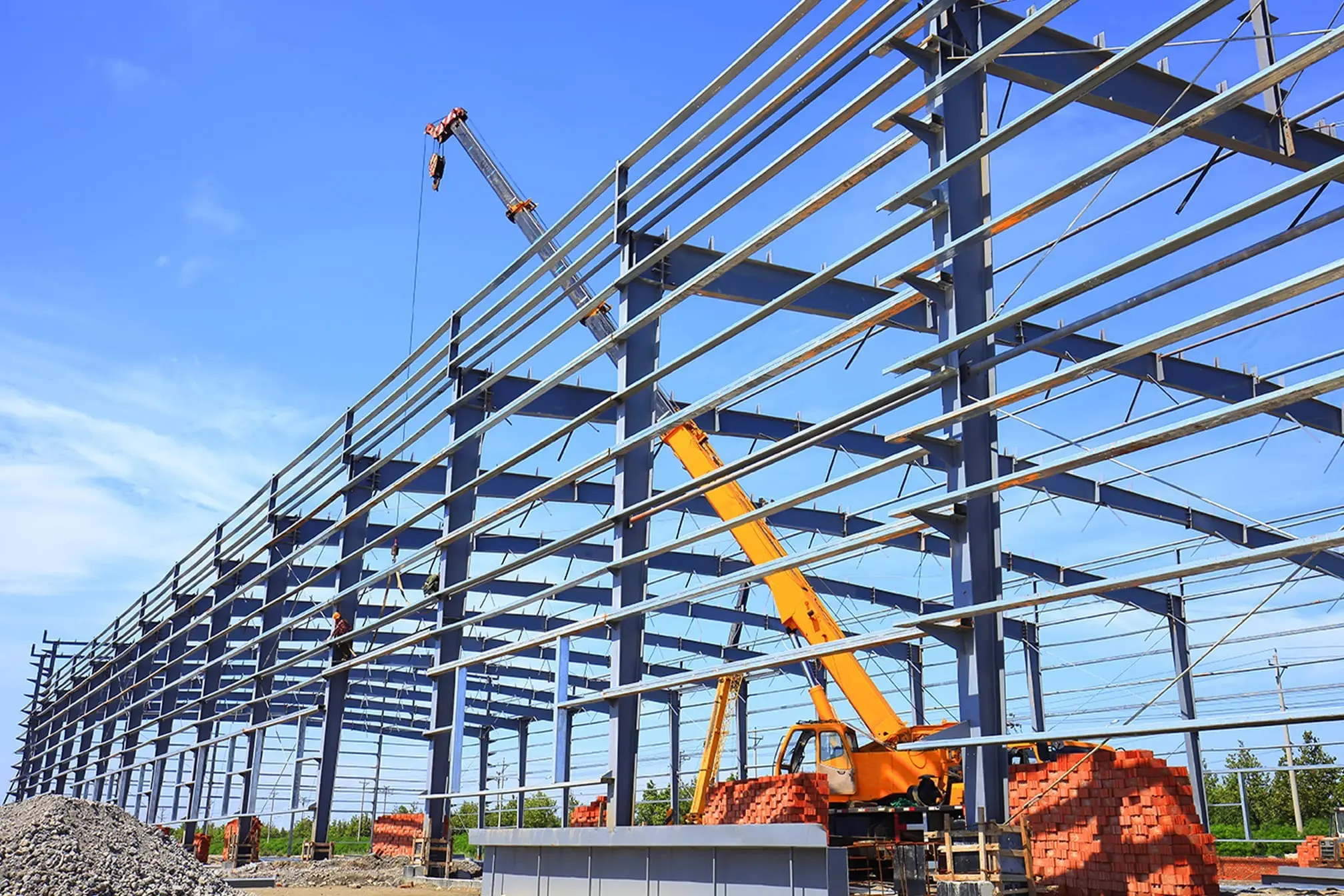

In the dynamic landscape of modern construction, Turnkey Pre-Engineered Building (PEB) Solutions are redefining how commercial buildings are conceptualized, constructed, and delivered. These all encompassing solutions integrate design, fabrication, and installation into a seamless process, delivering efficiency, cost-effectiveness, and sustainability.
In Nepal, where rapid urbanization and infrastructure demands are surging, Turnkey PEB solutions are emerging as a cornerstone for commercial projects, from warehouses to corporate offices.
This article explores the intricacies of Turnkey PEB solutions, their benefits, applications, and their transformative impact in Nepal, with a focus on the pioneering work of National Structure and Engineering Pvt. Ltd. (NSE).
Understanding Turnkey PEB Solutions
A Turnkey PEB solution is an end-to-end construction approach where a single contractor oversees every phase of a project design to engineering, fabrication, installation, and final handover.
Unlike traditional construction, which often involves multiple vendors leading to coordination challenges, Turnkey PEB solutions streamline the process.

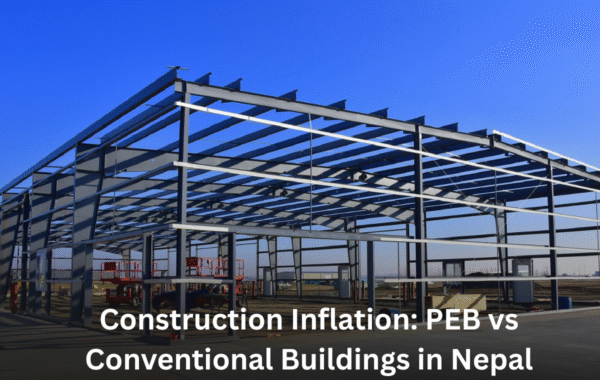
Pre-engineered buildings are steel structures designed and manufactured in a factory using advanced software like STAAD Pro or TEKLA, then assembled on-site with precision. The “Turnkey” aspect ensures the client receives a fully functional facility, ready to operate upon completion.
This approach is particularly appealing in Nepal, where time, cost, and seismic resilience are critical. By leveraging prefabricated components, Turnkey PEB solutions reduce construction timelines, minimize waste, and ensure compliance with the Nepal Building Code, making them ideal for commercial applications.
Why Turnkey PEB Solutions are Ideal for Commercial Construction
The global shift toward efficient and sustainable construction has positioned Turnkey PEB solutions as a preferred choice. Here’s why they are revolutionizing commercial building development:
1. Accelerated Construction Timelines
PEB components are prefabricated in controlled factory settings, enabling rapid on-site assembly. A commercial project that might take 9–18 months using traditional methods can be completed in 3–6 months with Turnkey PEB solutions. This speed is crucial for businesses needing quick operational setups.
2. Cost Efficiency
By optimizing material use and reducing labor-intensive processes, PEB solutions lower overall costs. Lightweight steel structures require less robust foundations, further cutting expenses. In Nepal, where budget constraints often limit project scopes, this affordability is transformative.
3. Sustainability and Eco-Friendliness
PEB systems utilize recyclable steel and incorporate energy-efficient designs, such as insulated panels and solar-compatible roofing. These features align with Nepal’s growing emphasis on sustainable development, reducing environmental footprints compared to traditional concrete-heavy methods.
4. Design Flexibility
From expansive warehouses to sleek office complexes, Turnkey PEB solutions offer customizable designs. Features like mezzanine floors, skylights, and advanced ventilation systems can be integrated to meet specific commercial needs, ensuring both functionality and aesthetic appeal.
5. Seismic Resilience and Durability
Nepal’s location in a seismically active zone necessitates robust construction standards. PEB structures, designed with high-grade steel and in compliance with the Nepal Building Code, offer exceptional earthquake resistance. Their lightweight nature reduces stress on foundations, enhancing longevity.
Applications of Turnkey PEB Solutions
Turnkey PEB solutions cater to diverse commercial needs. Below is a table outlining key applications, their descriptions, benefits, and approximate construction costs in NPR (based on 2025 market rates in Nepal):
| Application | Description | Benefits | Approx. Cost (NPR) |
|---|---|---|---|
| Warehouses | Large, clear-span structures for storage and logistics. | Quick assembly, scalable, low maintenance. | 2,500–3,500/sq.ft. |
| Office Buildings | Single or multi-story offices with modern aesthetics. | Customizable interiors, energy-efficient, rapid delivery. | 3,000–4,500/sq.ft. |
| Retail and Malls | Spacious commercial spaces with attractive facades. | Flexible layouts, high durability, aesthetic appeal. | 3,500–5,000/sq.ft. |
| Factories | Industrial facilities supporting heavy machinery. | Large spans, crane integration, robust structures. | 2,800–4,000/sq.ft. |
| Institutional Buildings | Schools, hospitals, and community centers with functional designs. | Safe, sustainable, tailored to specific needs. | 3,200–4,800/sq.ft. |
National Structure and Engineering Pvt. Ltd: Leading the PEB Revolution in Nepal
Since its inception in 1971, National Structure and Engineering Pvt. Ltd. (NSE) has been a trailblazer in Nepal’s construction industry, particularly in Turnkey PEB solutions.
Based in Kathmandu, NSE has delivered numerous commercial projects, showcasing the efficiency and versatility of PEB technology.
Their expertise in integrating advanced engineering with local needs has made them a trusted name in Nepal’s construction landscape.
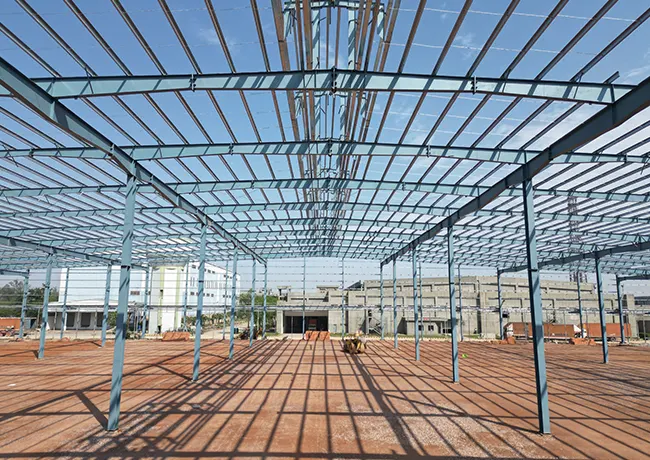
National Structure and Engineering Pvt. Ltd. (NSE) has successfully completed numerous notable projects, including the Nepal CRS Co. corporate office, a USAID project, and the world’s highest Sherpa Gallery, showcasing their expertise in steel fabrication and construction across Nepal. The key features of each project include;
- Seismic Design: The structure adhered to Nepal Building Code standards, using high-grade steel to ensure earthquake resistance.
- Energy Efficiency: Insulated roofing and solar-compatible panels reduced energy costs by 18%.
- Cost Savings: The lightweight steel frame lowered foundation costs by 22%, with the total project costing approximately NPR 4,000/sq.ft.
- Customization: The client requested mezzanine floors and large glass facades, seamlessly integrated during the design phase.
Their project underscores NSE’s ability to deliver high-quality, resilient commercial buildings under tight timelines, catering to Nepal’s growing corporate sector.
The Turnkey PEB solution included a clear-span design, ventilation systems, and a solar-powered lighting setup.
The warehouse’s earthquake-resistant design and low maintenance needs made it a model for sustainable industrial infrastructure in Nepal.
Read More: Top 5 Benefits of PEB Structures for Industrial Projects in Nepal
Challenges in Adopting Turnkey PEB Solutions in Nepal
While Turnkey PEB solutions offer immense potential, their adoption in Nepal faces several challenges. Addressing these hurdles is critical to unlocking the full benefits of PEB technology:
1. Limited Awareness and Misconceptions
Many developers and clients in Nepal remain unfamiliar with PEB technology, perceiving it as less durable than concrete structures. This misconception stems from a lack of exposure to modern steel-based construction.
For instance, traditional builders often prioritize brick-and-mortar methods, overlooking PEB’s seismic advantages and cost efficiencies. Educational campaigns and industry workshops, as initiated by NSE, are essential to bridge this knowledge gap.
2. Logistical Constraints
Nepal’s rugged terrain and underdeveloped road networks pose challenges in transporting prefabricated components to remote or hilly areas. For example, delivering steel frames to regions like Mustang or Solukhumbu can increase costs by 10–15% due to transportation complexities.
NSE mitigates this by partnering with local logistics providers and establishing regional storage hubs, but broader infrastructure improvements are needed.
3. Skilled Labor Shortages
PEB installation requires specialized skills, such as precision assembly and familiarity with steel frameworks. Nepal’s construction workforce, traditionally trained in conventional methods, often lacks PEB-specific expertise.
This can lead to delays or errors during assembly. NSE has addressed this by conducting training programs for local engineers and technicians, but scaling such initiatives across Nepal remains a challenge.
4. Regulatory and Approval Delays
While PEB structures comply with the Nepal Building Code, obtaining approvals from local authorities can be time-consuming due to bureaucratic processes.
For instance, municipal offices may delay permits for unfamiliar PEB designs, impacting project timelines. Streamlining regulatory frameworks and educating officials about PEB benefits could alleviate this issue.
5. Initial Investment Perception
Although PEB solutions are cost-effective in the long run, the upfront investment for high-grade steel and prefabrication can deter budget-conscious clients. NSE counters this by offering flexible payment plans and demonstrating long-term savings through reduced maintenance and energy costs.
Key Components of Turnkey PEB Solutions
The efficiency of Turnkey PEB solutions lies in their modular components, designed for precision and durability:
- Primary Framing: High-grade steel columns and beams form the structural core, engineered for load-bearing capacity.
- Secondary Members: Purlins, girts, and bracing enhance stability and support roofing and cladding systems.
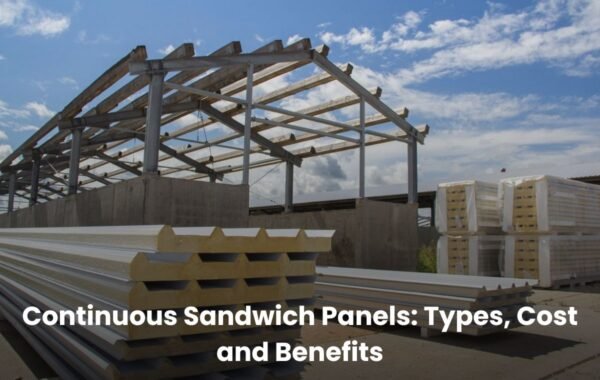
- Roofing and Cladding: Insulated panels provide weather resistance and energy efficiency, customizable for aesthetic appeal.
- Accessories: Skylights, ventilators, mezzanines, and cranes are integrated based on client needs.
- Foundation: Lightweight foundations reduce costs and construction time compared to traditional concrete bases.
These components are designed using advanced software, ensuring compliance with seismic and environmental standards.
Comparative Analysis: PEB vs. Traditional Construction
To highlight the advantages of Turnkey PEB solutions, here’s a detailed comparison with traditional construction:
| Aspect | Turnkey PEB Solutions | Traditional Construction | Approx. Cost (NPR) |
|---|---|---|---|
| Construction Time | 3 to 6 months | 9–18 months | – |
| Cost Efficiency | 20 to 30% lower due to prefabrication | Higher due to labor and material waste | PEB: 2,500–5,000/sq.ft. Traditional: 3,500–6,500/sq.ft. |
| Sustainability | Recyclable steel, energy-efficient designs | Higher waste, less eco-friendly | – |
| Customization | Highly flexible, tailored designs | Limited by on-site constraints | – |
| Durability | Earthquake-resistant, low maintenance | Varies, often requires frequent repairs | – |
Future Trends in Turnkey PEB Solutions
The PEB industry is evolving, with trends shaping its future in Nepal:
- Smart Technology: IoT-enabled buildings with sensors for energy and security management.
- Green Certifications: Pursuit of LEED certification for sustainable PEB designs.
- Modular Scalability: Demand for expandable structures to accommodate growing businesses.
- Advanced Materials: Use of high-strength alloys to enhance durability and reduce costs.
NSE is already integrating solar lighting and energy-efficient systems in projects like the Lalitpur warehouse, aligning with these global trends.
Conclusion
Turnkey PEB solutions are revolutionizing commercial construction in Nepal, offering unmatched speed, cost efficiency, and sustainability. Through the expertise of firms like National Structure and Engineering Pvt. Ltd., Nepal is embracing PEB technology to meet its urbanization and resilience needs.
Despite challenges like awareness and logistics, the benefits of PEB solutions, demonstrated in projects like the Kathmandu office complex and Lalitpur warehouse make them a cornerstone of next-gen commercial buildings.
Ready to transform your commercial project with Turnkey PEB solutions? Contact National Structure and Engineering Pvt. Ltd. today to build smarter, faster, and sustainably!
Read More: Pre-Engineered Buildings (PEBs) vs. Civil Construction: A Comprehensive Analysis